Serviced Accommodation: How It Differs From a Hotel Stay
What to expect in a serviced apartment: compare kitchens, check-in, housekeeping and smoking rules with a hotel before choosing your stay in the UK today.
On this page
A serviced apartment can offer more room to settle in, but it doesn’t necessarily include hotel-style reception or room service. Knowing what to expect in a serviced apartment starts with understanding that it’s usually a self-contained space, often with a kitchen, living area and private bathroom.
If you’re weighing up an apartment stay against a hotel, it’s sensible to want the practical details before you arrive. An apartment can give you more independence, while services such as housekeeping and guest support may work differently from what you’re used to in a hotel.
This guide explains what serviced accommodation typically includes in the UK, how check-in and check-out can work, and what to know about housekeeping and smoking rules. It also sets out the main differences from a hotel stay, so you can decide which arrangement suits your trip, whether you’re visiting for a short break or staying longer. Facilities and routines vary by property, but the key distinctions are straightforward.

Key takeaways
- Serviced accommodation offers a more residential way to stay, with facilities and layouts that can vary between properties.
- Kitchen equipment and dining space can make it easier to fit meals around your plans.
- Check-in may be handled through self-check-in, reception or a personal handover, depending on the property.
- Smoking is generally not permitted in serviced apartments, so the property’s house rules matter.
- Housekeeping routines and hotel-style services differ, making them useful points to weigh up when choosing your stay.
What is Serviced Accommodation?
Serviced accommodation combines a private place to stay with practical guest services, creating a residential alternative to a hotel room. In the UK, options range from studios to houses with ten bedrooms, with layouts and facilities varying between properties.
Residential-style flexibility
Residential-style accommodation gives guests a self-contained space for sleeping, relaxing and, often, preparing meals. A typical apartment has a separate bedroom, living area, kitchen and private bathroom, rather than one room for every activity.
Understanding what to expect in a serviced apartment starts with how the space supports your routine. It can suit a short break, work trip or stay lasting several weeks. Some apartments accept bookings from one night, while different property sizes offer a range of ways to settle in. You have space for everyday tasks, not simply a bed for the night.
A common misconception is that every serviced apartment operates like a hotel. Reception, restaurant service and concierge facilities aren’t automatic inclusions; each building has its own setup.
Standards and amenities
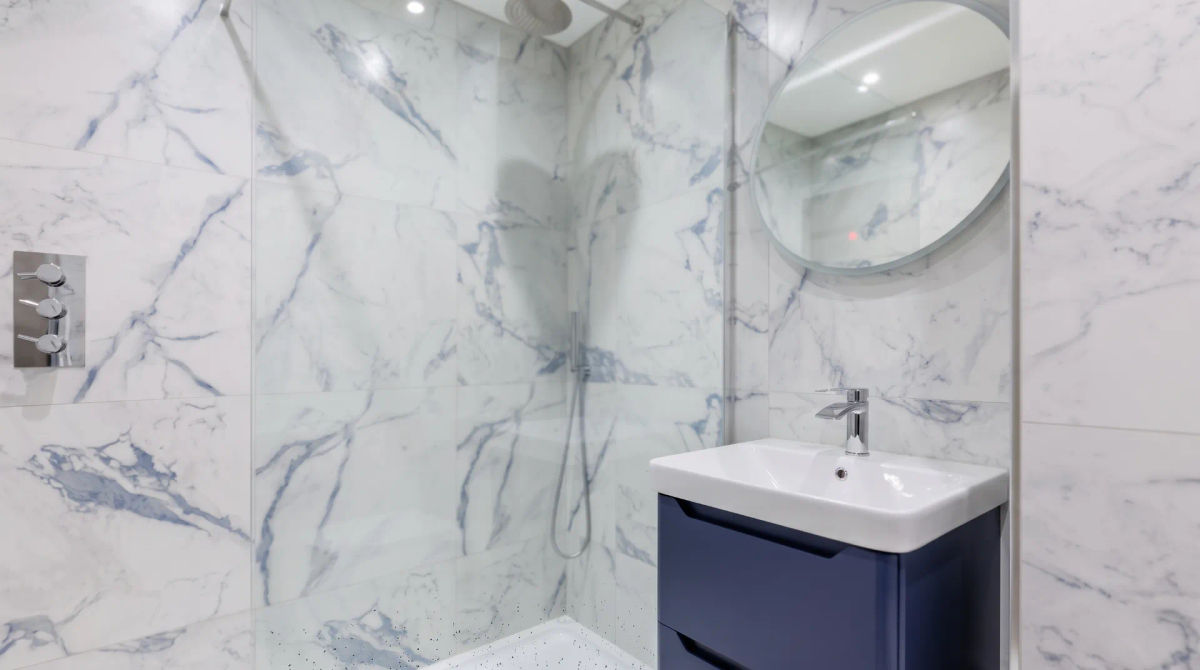
There isn’t one standard layout or amenity list for every serviced apartment. A private bathroom and living space are typical, while a seating area, workspace and Wi-Fi can make it easier to relax or work from the property.
Facilities vary by property. One apartment might offer a self-contained kitchen and laundry facilities, while another may focus on essentials for a shorter visit. “Serviced” doesn’t promise a particular star rating or round-the-clock reception.
Knowing what to expect in a serviced apartment also means distinguishing private space from hotel-style services. Reception, restaurants, room service, a gym and concierge facilities may be absent, so the property’s listed amenities shape the stay more than its label.
Typical inclusions and extra charges
Kitchen equipment, laundry facilities and housekeeping can feature, but they aren’t guaranteed in every apartment. Kitchens commonly include appliances, cooking utensils and dining space; laundry and cleaning arrangements depend on the property and length of stay.
Are deposits, service fees or extra charges common? There’s no single charging arrangement across serviced accommodation. Deposits and fees depend on the booking terms, and some facilities may carry extra charges. Check the total and what it includes before booking.
Do serviced apartments have a kitchen, laundry facilities and housekeeping? Kitchens are common, but laundry and housekeeping vary between properties and stays. Linen and towels, Wi-Fi, television and cleaning may be included in the rental cost, though inclusions differ. Check the property description for what comes with your stay.
Can I smoke in my apartment?
Smoking isn’t permitted in the majority of serviced apartments featured in the UK market. Each property sets its own house rules, which determine what guests can do indoors and in shared areas. The apartment’s terms explain whether smoking is restricted throughout the building or applies to specific spaces.
What rules apply to guests, pets, smoking and noise? Guests are expected to follow the property’s rules, which may restrict smoking, set conditions for pets and require considerate behaviour around neighbours. Pet policies and related charges vary, so review the stated terms before booking.
These rules matter because an apartment is part of a building or residential setting, rather than an isolated room. Smoke can affect other occupants, while noise may carry through shared walls, corridors and entrances. Following the house rules helps protect the comfort of guests and neighbours alike.
For a non-smoking stay, treat indoor areas as smoke-free unless the property’s rules explicitly say otherwise. Don’t assume that opening a window or stepping onto a balcony makes smoking acceptable. Outdoor spaces can have their own restrictions, particularly where they are shared with other guests. Vaping may also be covered by the accommodation’s smoking policy.
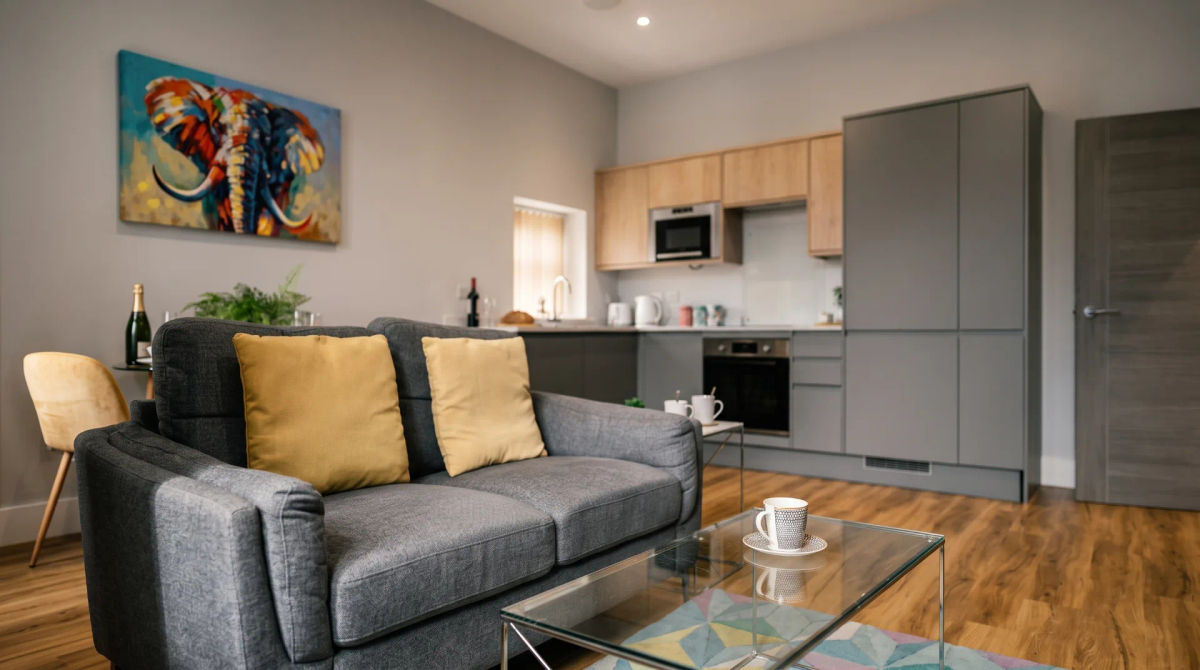
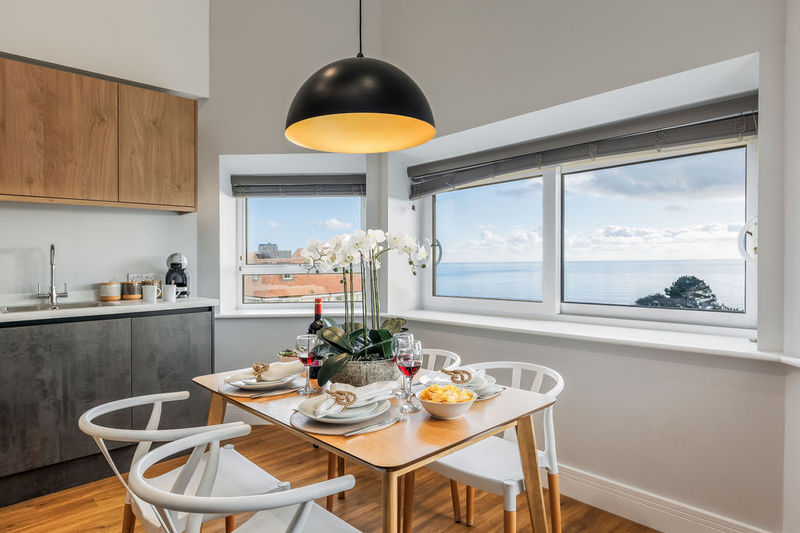
Kitchen facilities can make an apartment practical for a longer stay. A fitted kitchen may include appliances and cooking utensils, with dining space for breakfast, a packed lunch or an evening meal. Preparing food in the apartment lets you plan meals around your own schedule rather than relying on set hotel dining times.
“Fully equipped” doesn’t mean every kitchen contains identical facilities. One may have the basics for simple meals, while another may provide a broader selection of cookware. The layout matters too: a dining table offers space to eat or work, while a breakfast bar can make better use of a compact room. For longer stays, those details affect everyday routines.
Laundry facilities can help if you’re travelling for work or packing light. Their arrangement varies: equipment may be inside the apartment or shared within the building. Don’t assume every property has a washing machine in the apartment; the accommodation details explain which facilities are available to guests.
Housekeeping and laundry are separate services. A cleaning schedule doesn’t necessarily include washing personal clothes, and access to laundry equipment doesn’t determine when linen is changed. Knowing the difference helps you plan what to pack and how to manage daily tasks during your stay.
Before arrival, read the smoking rules alongside the apartment’s other house rules. Pay particular attention to balconies, patios and shared entrances, since a private outdoor space isn’t automatically exempt from restrictions. This gives you a clear picture of where the policy applies throughout the property.
What are the check-in check out procedures?
Serviced apartment arrivals use different arrangements, from reception to self-check-in or a meet-and-greet handover. The rental length also varies, so arrival and departure details depend on the property and booking.
Check-in arrangements
At reception, a member of staff handles the arrival and provides access to the apartment. Some serviced apartment buildings have reception open for up to 24 hours, but this isn’t a standard feature across every property. A meet-and-greet handover gives guests a personal arrival, whilst self-check-in lets them access the apartment without waiting at a reception desk.
Each method has a different practical rhythm. With reception, guests arrive at the desk; with a handover, they meet the person arranging access. For self-check-in, the property provides instructions for using its entry system. Read them before travelling and keep them accessible on your phone, so you can follow the stated process when you reach the building.
Self-check-in and arrival flexibility
Self-check-in lets guests arrive independently, which can suit travel plans that don’t align neatly with a reception visit. It doesn’t mean every apartment allows arrival at any time. The arrival instructions and agreed check-in window still apply, and you may need access details before entering.
Plan your journey around the check-in information supplied for your booking. If a train is delayed or your arrival time changes, follow the property’s stated procedure for communicating that change. Don’t assume that a late arrival, early entry or luggage drop-off is included. Those arrangements are separate from the ability to check in yourself.
Length of stay and check-out
Serviced apartments can suit a stay starting from one night, a few nights, several weeks or up to five months. The length of the rental shapes how the accommodation fits your plans, particularly for work trips, temporary housing or longer visits. Laundry facilities can be useful over a longer stay, but they don’t determine the check-in process.
Check-out is arranged by each property, rather than following one universal hotel procedure. The instructions should explain the departure time, how to leave keys or access devices, and whether any departure steps apply. Follow those details on your final morning; leaving keys in the wrong place can delay the next arrival.
Keep arrival and departure information with your booking details. For example, save the entry instructions and check-out steps on your phone before setting off. This makes it easier to find the right information at the door and when leaving, without relying on a reception desk being available.
Differences between serviced apartments and hotels
A serviced apartment combines private accommodation with a more self-contained layout. A hotel room focuses on the bedroom, with services and facilities arranged around the hotel’s shared spaces.
Apartment and hotel room differences
A serviced apartment gives guests a separate living space, and often a kitchen, alongside the bedroom. That matters if you want to prepare meals, work at a table or keep separate areas for sleeping and relaxing. In a hotel room, these activities usually share one space.
Apartments offer a more self-contained stay, while hotels commonly have shared entrances, corridors and facilities. Hotels may provide an on-site restaurant, concierge or room service, but these aren’t standard features of serviced accommodation. Housekeeping arrangements can differ too, so consider which services matter during your stay.
Think about the destination and the period you’re travelling. An apartment may suit an international visitor staying for several days, or someone needing a separate living area. A hotel may suit a shorter visit where reception, dining or other on-site services are priorities.
Serviced apartment pricing
There’s no single UK nightly or monthly rate for a serviced apartment. The price depends on the property and booking, and is provided after a quote request; location, dates, bedroom count, stay length and included services shape the total.
A nightly rate and a monthly total aren’t directly comparable without considering the booking length and what’s included. For example, a kitchen may let guests prepare meals, while housekeeping or laundry facilities may be arranged differently between properties. The overall value depends on which facilities you’ll use and how long you’ll stay.
For a longer stay, review how the rental total is calculated and which services are included. For a short visit, compare the overall cost for your dates, rather than relying only on a nightly figure. Charges for facilities can vary by property, so the stated booking terms matter.
Hotel groups also operate extended-stay brands, combining hotel-style management with features designed for longer visits. These properties may offer apartment-like layouts, but they remain part of a hotel operation. Reception, housekeeping and food services can follow the hotel’s own arrangements, rather than the more independent routine associated with a self-contained apartment.
The label alone won’t tell you how a stay works. A hotel room, an extended-stay hotel and a serviced apartment can all differ in layout and service. Compare the bedroom and living space, kitchen access, shared facilities and housekeeping arrangements against your plans. That gives you a clearer basis for choosing than the accommodation name alone.
Housekeeping frequency
Housekeeping in serviced accommodation isn’t always daily, as it often is in hotels. In featured serviced apartments, it typically takes place once a week, although services can range from daily to fortnightly. That difference matters when you’re travelling for work, planning a longer visit or prefer more privacy during your stay.
The frequency affects more than how often someone enters the apartment. A daily visit may suit guests who value regular cleaning and refreshed towels, whilst a less frequent schedule can leave more uninterrupted time in a furnished, self-contained space. The exact service also varies: a visit might include cleaning, linen changes or replenishing towels, depending on the arrangement.
Housekeeping and laundry are separate. A scheduled clean doesn’t necessarily mean personal clothes are washed, and access to laundry facilities doesn’t set the cleaning schedule. For example, a guest can use a washing machine between housekeeping visits, if the apartment provides one. Treat each facility and service as distinct rather than assuming one includes the other.
Before arrival, look for the housekeeping frequency and the scope of each visit in the property information. Note whether linen and towels are supplied, and whether cleaning covers the kitchen and bathroom. These details help you plan what to bring and manage the space between visits. For a longer booking, the schedule can make a noticeable difference to daily routines.
During your stay, organise personal belongings before a scheduled clean. Clear surfaces make it easier for housekeeping to reach the areas being serviced, while placing used towels in the designated spot helps avoid confusion. If you’re working from the apartment, knowing the planned visit day can also help you organise calls or time away from the property.
There’s no single housekeeping pattern for every serviced apartment. A daily schedule offers more frequent attention, a weekly visit provides a regular reset, and fortnightly service means longer intervals between cleans. The right arrangement depends on how you use the apartment, how long you’re staying and the cleaning included in the booking.
Keeping the schedule to hand can help you plan around a visit, especially if you’ll be working or spending time in the apartment. It also gives you a simple reference for knowing when the next clean is due.
Choosing an apartment stay in Bournemouth
A self-contained apartment can suit visitors who want more space than a standard hotel room. When comparing options for your trip, consider the location, the facilities you need and how you will access the property on arrival.
Features such as self-check-in, Wi-Fi and a smart TV can vary between properties. Check what is included, along with the practical details of arrival and your stay, before making a choice.
Decide which features matter most for your plans, then use that list to compare suitable accommodation with Flexiestays Bournemouth.
Choose the stay that fits your plans
Before you decide, picture how you want your days in Bournemouth to feel. A useful next step is to identify the one or two things that matter most, such as having room to work, keeping your routine independent or receiving more hotel-style service. That preference gives you a clearer way to assess what to expect in a serviced apartment and whether it fits this particular trip.
Then think about what would make the stay feel straightforward from arrival to departure. Your priorities may change between a short break and a longer visit, or between travelling alone and sharing the space. There’s no single right choice; the practical fit is the one that supports how you plan to use your time.
If you’re considering a Bournemouth stay and would like to discuss your plans, contact Flexiestays Bournemouth. A clear idea of what matters to you is a good place to start.
Frequently asked questions
A serviced apartment is furnished accommodation offered for temporary stays, with guest services alongside private living space. It differs from a conventional residential tenancy because it’s arranged as visitor accommodation rather than a long-term home let. The precise service package varies, so the term describes the general type of stay, not a fixed checklist of amenities or a uniform standard across every property.
You can make a request, but treat it as a preference rather than an automatic part of your reservation. Share the detail before booking, such as an accessibility need or a particular arrival consideration, and ask for written confirmation that it has been recorded. This gives the accommodation team time to consider the request and helps you plan around what has been agreed.
‘Serviced’ means the accommodation is prepared for guest stays and may include services such as cleaning or linen provision. It doesn’t mean a member of staff is always present, or that every task is handled for you. For example, an apartment can be ready to use while guests still manage their own meals, personal laundry and day-to-day routine.
There’s no universal inclusion list. The booking details should distinguish between facilities provided for use, such as kitchen equipment, and supplies replenished during a stay. For example, a kettle may be available without tea or coffee being provided. Look for practical details such as bedding, towels, cleaning arrangements, internet access and any shared facilities before deciding whether the package suits your plans.
Compare the full booking terms, not just the accommodation photographs. Look for the total amount payable, payment timing, deposit terms, cancellation conditions, guest limits and any additional charges. Then check whether the apartment’s layout and facilities suit your purpose, such as working remotely or sharing the space. Keep the confirmation and arrival information together so you can refer to the agreed terms later.
UK serviced apartments don’t follow one standard package. A booking may cover furnishings, household equipment and selected guest services, while other facilities or supplies are handled separately. The useful distinction is between what is available in the apartment and what the accommodation includes in the booking. Read the property description and terms together, since one may explain facilities while the other sets out services and charges.
Cleaning and linen changes follow the property’s own schedule, and they aren’t necessarily carried out together. A clean might cover floors and surfaces, while a linen change concerns bedding and towels. For example, a scheduled clean doesn’t automatically mean fresh bedding is provided at that visit. Check the service description for both arrangements, especially if you’re planning a longer stay or have particular housekeeping needs.
Inclusions depend on the accommodation and length of stay, so the booking terms should state what the price covers. For any booking, check whether the quoted amount covers utilities, Wi-Fi and council tax, rather than assuming these are included in the same way across every type of accommodation.