Bournemouth Air Festival 2026: Everything You Need to Know
A visitor's guide to Bournemouth Air Festival 2026, with the dates, the displays, the best viewing spots, transport, and where to stay during the busiest weekend of the year.

On this page
Bournemouth Air Festival is the largest free air show in the UK and one of the most important events in the South Coast calendar. Around a million visitors descend on the seafront over four days at the end of August, the beach becomes a continuous viewing platform from Branksome to Hengistbury Head, and the town's accommodation books out months in advance. This guide covers the practical planning for the 2026 edition: the dates, the displays, the viewing spots, transport, and where to stay.
A note on dates and line-ups. Like all major outdoor events, the Bournemouth Air Festival schedule is finalised in the weeks before the festival itself, and aircraft availability depends on RAF commitments and weather on the day. We give the historical pattern below; check the official festival website (run by Bournemouth, Christchurch and Poole Council) for the confirmed 2026 programme.
The festival in brief
Bournemouth Air Festival began in 2008 and has run annually since (with cancellations only for the 2020 and 2021 COVID years). The format has stabilised: four days at the end of August, multiple daytime air display windows, evening Night Air shows on selected nights, and a continuous ground programme of military and aerospace exhibits along the seafront.
The geographic spread is the key thing to understand. Unlike a fixed-venue air show, Bournemouth Air Festival uses the entire seven-mile seafront as its viewing area. Aircraft display over the bay, visible from any beach point with sea view. This means you do not need a ticket, you do not need a fixed seat, and you do not need to be in the centre of town. The festival reaches you wherever you stand on the seafront.
The cost is free. Air displays, ground attractions, and the Night Air shows are all free at the point of entry. Paid options exist (VIP enclosures, premium seating areas, sponsored hospitality) but they are optional, and most visitors use the free seafront.
We had no idea you could watch the Red Arrows from the sand for free. We just turned up with sandwiches and sat through the most spectacular afternoon I have ever spent at the seaside.
A first-time visitor from Manchester, August 2025
What flies (and the historical line-up)
The headline act in most years is the Red Arrows, the RAF aerobatic display team. Their participation is not guaranteed every year (it depends on the RAF training calendar and operational commitments), but they have been a regular feature.

Supporting acts have historically included:
- RAF Typhoon solo display
- The Battle of Britain Memorial Flight (Lancaster, Spitfire, Hurricane formations)
- Civilian aerobatic teams (the Blades, the Tigers, others)
- International guest acts in some years (Norwegian F-16s, Belgian F-16 demonstrations, others)
- Helicopter and search-and-rescue displays from the RAF, Royal Navy, and Coastguard
- Vintage aircraft including Sopwith Camels and de Havilland Tiger Moths
- Night Air pyrotechnic and lit displays on Thursday and Saturday evenings
The full 2026 line-up is published by the festival organisers in advance. Expect confirmation of the Red Arrows participation and the international guests in early summer.
The best viewing spots
Every metre of the Bournemouth seafront has viewing access. The question is the trade-off between density and convenience.
Pier and Lower Gardens (highest density)
The area immediately around Bournemouth Pier and the Lower Gardens is the festival's centre of gravity. Sound systems carry commentary, the ground attractions are densest here, and the festival atmosphere is strongest. The trade-off is crowd density; expect to be standing-room-only in the prime spots from mid-morning onwards.
Best for: visitors who want the full festival atmosphere, ground attractions, and proximity to food and toilet facilities.
West Cliff promenade (elevated)
The cliff-top promenade west of the pier gives an elevated view across the bay. Sightlines are excellent, the crowd density is significantly lower than on the beach, and the wind is fresher (important on hot days).
Best for: visitors who want photographs, families who want a less crowded base, anyone who wants to sit on a bench rather than stand on the sand.
East Cliff promenade and East Beach (less crowded)
Mirror of West Cliff. The East Beach and the East Cliff promenade are noticeably quieter than the central area. The sightlines are still good.
Best for: a calmer family base, visitors staying on East Cliff or in Boscombe.
Boscombe Pier and beach (substantially quieter)
A 35-minute walk east from the pier puts you at Boscombe with a clear view of the displays from a much quieter beach. The pier itself becomes a viewing platform, the cafés along the Boscombe seafront serve through the festival without the central crush, and parking (a separate planet from the central area) is more achievable.
Best for: locals, return visitors who have done the central area, families with young children.
Branksome Chine and Sandbanks (the wide western view)
West of the centre, Branksome Chine and Sandbanks beach give the festival from a wider, more spacious perspective. The displays are slightly further across the bay so they read smaller, but the crowd density is the lowest of any sea-view option.
Best for: visitors staying west of Bournemouth, a different perspective on the displays.
Southbourne and Hengistbury Head (the wild eastern view)
Walking to Hengistbury Head gives you the festival as a distant spectacle across the bay, with the headland itself as the viewing platform. Substantially quieter than even Boscombe; expect a 25-minute walk from the visitor centre.
Best for: locals who want the festival without any crowd, photographers wanting an unusual perspective.
Night Air
The Night Air evening shows are scheduled for two evenings of the festival (historically Thursday and Saturday). These are pyrotechnic and lit aerial displays choreographed to music, with the action concentrated around the pier. The Night Air shows are the second-biggest draw after the Red Arrows daytime displays.
For Night Air specifically, the pier area is the right spot. The choreography is built around the music timing, the lighting works best in the prime central viewing area, and the festival closes with a beach-front fireworks display visible from the central beaches.
Getting there
By train
The recommended route. South Western Railway operates from London Waterloo (about two hours), with additional services for the festival. Bournemouth station is a 15-minute walk to the seafront via the Town Centre. Cross Country runs from Manchester, Birmingham, and the Midlands.
Festival weekend trains book up early; reserve a seat in advance, particularly on the Friday and Sunday.
By car
Parking is the single biggest constraint. The central car parks fill by 09:00 on festival days. The park-and-ride sites announced by the council (typically at the Boscombe Overcliff, the BIC, and outlying sites) are the practical option. Avoid central streets; many close to vehicles during display times.
By bus
National Express, Megabus, and local Morebus services all run direct routes to Bournemouth. Local Beach Buses run additional services through the festival. Expect heavy demand on Saturday in particular.
By bike
The seafront cycle path is restricted during peak summer (which includes the festival), but the Town Centre cycle racks fill up early. Walking is usually faster on festival days because of the road closures.
Where to stay
The festival weekend is the busiest accommodation weekend of the Bournemouth year. Rooms book months ahead, prices rise significantly, and walk-up availability is near zero by the start of August. The honest advice is to book accommodation in the spring at the latest.
The neighbourhoods that work best for the festival, in order of convenience:
- Town Centre and West Cliff: directly above and beside the main viewing area. You can walk to the pier in 8 minutes.
- East Cliff: short walk to the East Beach viewing area. Quieter than the centre.
- Westbourne: 20 minutes' walk to the western viewing areas, quieter base.
- Boscombe: base at the second-busiest viewing area, walk to the pier in 35 minutes.
- Southbourne: quieter, requires more effort to reach central viewing.
For specifics on which neighbourhood suits which kind of trip, our neighbourhoods guide goes through the trade-offs in detail.
Aparthotels work particularly well for the festival weekend because you can stock up on food before the crowds peak, avoid the restaurant queues for three days, and have a stable base to retreat to between displays. The reasons aparthotels beat hotels and Airbnb in Bournemouth are covered in our aparthotels comparison.
What to bring
- Sun protection: the seafront in late August is sun-exposed. Bring SPF 30+, a hat, and water.
- Ear defenders for younger children: jet displays are loud. Children under five often find the noise distressing.
- A blanket or low chair: the beach is the viewing area. Bring something to sit on.
- Cash and contactless: food and drink stalls run both, but lines for card payment can be longer.
- A printed or saved schedule: signal can be patchy when the beach is packed. Save the day's display times offline.
- Layers for the evening: even in August, the sea breeze cools the seafront after sunset, and the Night Air shows run late.
Practical advice from a local
Two pieces of advice from running an aparthotel through eight festivals:
Arrive early, leave late. The crowds peak in the two hours either side of the headline display. Walking to the seafront at 11:00 and leaving at 19:30 takes the same time as the displays themselves but avoids the worst of the crush.
Have a base. Day-trip visitors to the festival often underestimate the value of a place to sit, get out of the sun, use a toilet, and refill water bottles. If you are coming for the day from outside Bournemouth, plan a café or restaurant base; if you are staying overnight, plan to use your accommodation as the in-and-out point.
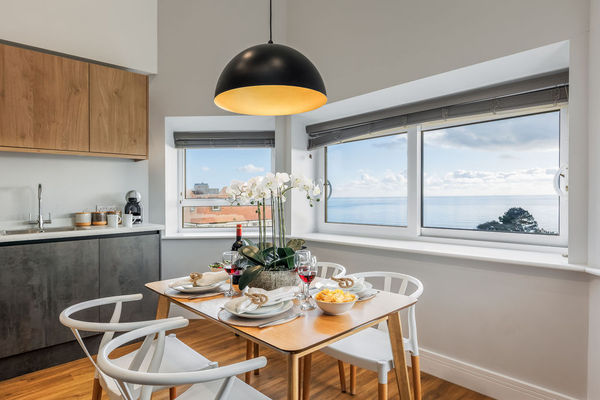
For accommodation, book early and book direct with Flexiestays for around 15% less than the major booking platforms charge. We operate 89 apartments across 8 buildings in Bournemouth, most within a 12-minute walk of the pier and the main viewing area. Air Festival weekend is the most-requested booking of the year; the rooms that go first are the ones with sea view.
Frequently asked questions
Bournemouth Air Festival traditionally runs over four days in late August. The 2026 edition is scheduled for the end of August, with displays running each afternoon and evening Night Air shows on selected nights. The full programme is published by Bournemouth Council closer to the event; check the official festival website for the confirmed schedule.
The festival is free to attend. Air displays, ground attractions, and the Night Air shows are all free at the point of entry. Some optional add-ons (VIP enclosures, premium seafront viewing areas, festival merchandise, official food and drink villages) are paid. The festival is funded by the council, sponsors, and the paid hospitality packages.
The Red Arrows traditionally headline most years, joined by RAF Typhoons, the Battle of Britain Memorial Flight, civilian aerobatic teams, and occasional international guest displays. The full line-up is confirmed by the festival organisers in the weeks before the event. Aircraft availability is subject to RAF operational commitments and weather on the day.
The seven miles of Bournemouth seafront all have viewing access, with the densest crowds concentrated around the pier and the Lower Gardens. For a less crowded view, head west to Westbourne and Branksome Chine or east to Southbourne and Hengistbury Head. The cliff-top promenades on both East Cliff and West Cliff give an elevated perspective. Boscombe Pier and the eastern beaches are quieter alternatives with clear sight lines.
By train, Bournemouth station is a 15-minute walk from the seafront and is the recommended route. Additional services typically run during the festival. By car, parking on the festival weekend is severely limited; use the park-and-ride sites announced by the council. By bus, the National Express, Megabus, and local services run direct routes; expect heavy demand on festival days. Cycle racks are available along the seafront.
Stay within walking distance of the seafront, which means the Town Centre, West Cliff, East Cliff, Boscombe, or Westbourne. Aparthotels are particularly good for the festival because you can stock up on food before crowds peak and avoid restaurant queues during the four days. Book accommodation in early spring at the latest; the festival weekend is the busiest of the Bournemouth year and rooms sell out months ahead.
Yes, the festival is one of the best family event weekends on the South Coast. Air displays are visible from the sand, the beach itself becomes the viewing area, and the ground attractions include simulators, military vehicle displays, and family activity zones. The Night Air evening shows are particularly memorable for older children. Bring ear defenders for younger children, sun protection, and water.