Exploring the Rich History of Bournemouth: A Journey Through Time
History of Bournemouth: Discover the town's journey and incredible facts that shaped its rich history up to 2025.

On this page
Step into a story written on the coast. The History of Bournemouth is not just dates and buildings; it’s a tale of vision, travel, and how a heathland corner transformed into a vibrant seaside city. In this post, I’ll walk you through the key chapters, from its quiet beginnings to today’s dynamic town. If you’re curious about how a place grows, from a simple village to a modern hub of culture and learning, you’re in the right place.
History of Bournemouth: Origins, Heathland, and the First Footsteps
History of Bournemouth: Early Beginnings and the First Inhabitants
Historically, the area that became Bournemouth was wild heathland. Cattle grazed there, and settlement was thin on the ground. In 1810, Lewis Tregonwell and his wife visited the beach, and her love for the area sparked a plan. He bought 8 1/2 acres and built a house, with cottages for his staff. He then expanded the land, planting pines as the heath began to soften into a landscape fit for a growing dream.
People started to notice the coast, but there was no real town yet. The first steps toward a village came in 1837. This was when the landowners began to lay the groundwork for something bigger. The seaside was already becoming a weekend haven for the rich and rising middle class, a trend that would shape Bournemouth’s future.
History of Bournemouth: The Victorian Vision That Built a Resort
History of Bournemouth: The Victorian Era and the Rise of a Resort
The turning point came in 1836, when Sir George Tapps-Gervis set out to create a proper seaside resort. He brought in Ben Ferrey, an architect from Christchurch, to design the layout. Villas appeared, ready for families to hire each summer, and the town began to take its first real shape.
By 1840, a small village had formed. Stagecoaches from Southampton to Weymouth began stopping in Bournemouth, signaling the village’s growth. A guidebook for the resort appeared that year, marking Bournemouth on the map for travelers. Although Tapps-Gervis died in 1842, the momentum kept building.
Commercial Road saw its first shops by 1851. The village’s population was still modest, 695, but growth was rapid. The 1860s brought essential infrastructure: gas street lighting in 1864, a piped water supply in 1866, and a volunteer fire brigade in 1870. By 1890, the improvement commissioners were replaced by a mayor and aldermen, showing the town was moving toward formal civic life.
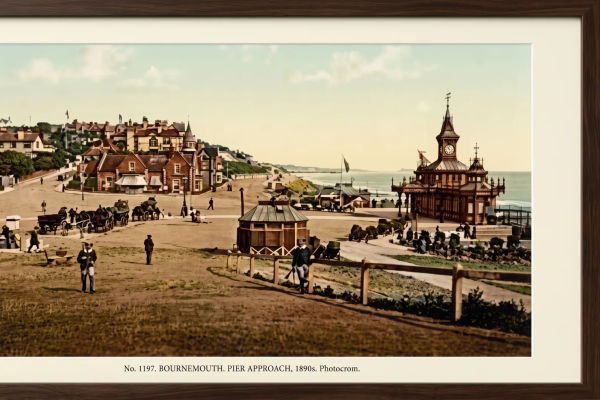
Even the shore received attention. Bournemouth’s famous pier began as a small wooden jetty in 1855, then evolved into a wooden pier in 1861 and finally an iron pier in 1880. The railway reached Bournemouth in 1870, making travel easy and boosting visitor numbers.
By the late 19th century, Bournemouth was booming. The 1880s and 1890s saw a population surge and the rise of notable landmarks, Winter Gardens, Pleasure Gardens, and the Bournemouth Arcade by the time the 1870s turned into the 1880s. The town also expanded beyond its original borders, incorporating nearby Boscombe and Springbourne in 1876, and later extending to include Westbourne in 1884. The period set the template for Bournemouth’s character: elegant villas, a busy promenade, and a sense that a seaside holiday could be part of daily life.
Key milestones: 1836 planning of the resort; 1840 village formation; 1851 first shops; 1864 gas lighting; 1866 water supply; 1870 rail link; 1880 iron pier; 1884 boundary extension to Westbourne.
Population shifts: gradual growth through the 19th century, with dramatic increases as travel and tourism took hold.
History of Bournemouth: The Growth Engine, Transport, Culture, and Community
History of Bournemouth: The Transport Boom and Social Change
Transport and connectivity were the real accelerants. The arrival of the railway in 1870 opened Bournemouth to a broader audience, turning a regional resort into a national destination. By 1881, the population leapt to about 16,859 and continued to climb through the decade, reaching 37,000 by 1891. This change wasn’t only about numbers; it reshaped daily life, local services, and the local economy.
Culture and infrastructure followed suit. In the 1870s and 1880s, the town saw the establishment of major venues and public spaces. The Winter Gardens and Pleasure Gardens provided a place for leisure and community events. Bournemouth Arcade appeared as a commercial hub, and the town continued to expand its footprint with new districts such as Boscombe and Southbourne gradually coming under Bournemouth’s umbrella.
History of Bournemouth: The 20th Century, Modernization and Resilience
History of Bournemouth: Key 20th-Century Developments
The 20th century was a time of rapid modernization and upheaval. By 1901, Bournemouth’s population had reached about 59,000, and electric trams began reorganizing urban life. Education and culture expanded as well: Bournemouth Municipal College opened in 1913, and by 1922 the Russell-Cotes Art Gallery & Museum opened its doors, turning a private house into a public treasure.
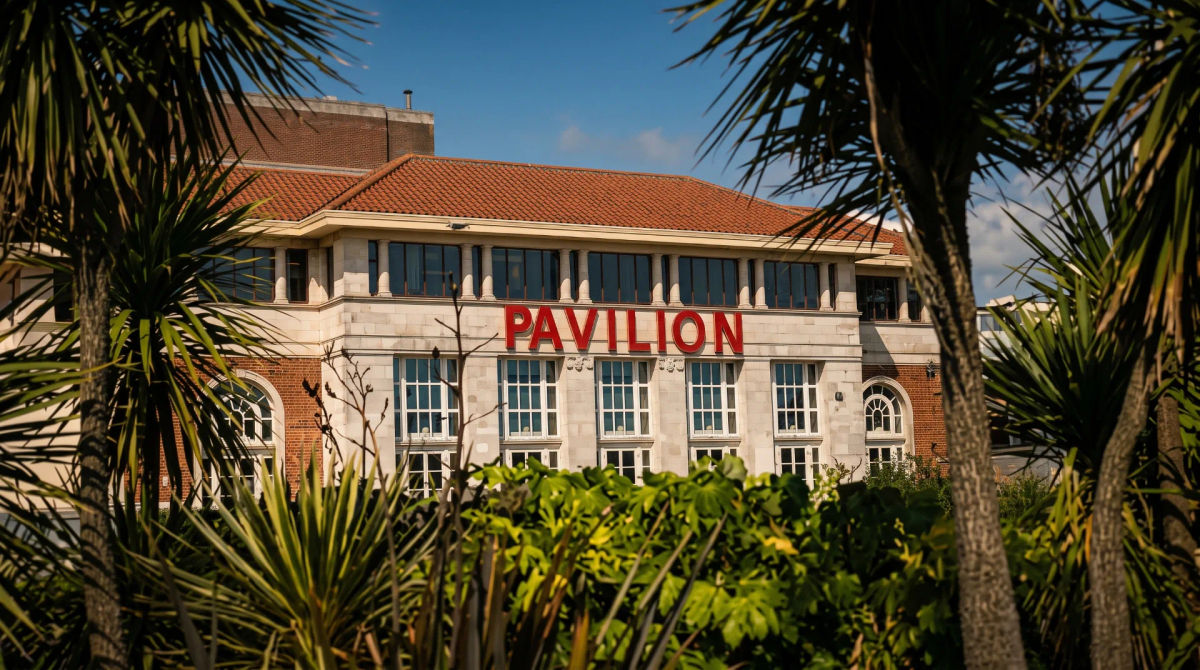
The town’s cultural heart grew with the Pavilion, built in 1929, which became a home for touring shows and family entertainment. In 1931, Bournemouth extended its boundaries again, adding Kinson, Wallisdown, and Holdenhurst. The 1930s brought a challenge: a typhoid epidemic in 1936 tested the city’s resilience. World War II added pressure, with evacuation of schoolchildren in 1939 and, though Bournemouth endured, bombing still claimed lives.
Postwar growth continued. The Bournemouth International Centre opened in 1984, bringing world-class events to the coast. The city also expanded its higher education footprint when Bournemouth University originated as a polytechnic and later became a university in 1992. In 1997, Bournemouth became a unitary authority, signaling full control over local services and planning.
History of Bournemouth: Today’s City, Culture, Education, and a Vibrant Economy
History of Bournemouth: Modern Growth and Cultural Renewal
Today, Bournemouth blends tourism with education, finance, insurance, and digital industries. The town’s population sits around 196,000 (2021 Census), and it remains a magnet for visitors thanks to its beaches, theatres, parks, and a thriving dining and nightlife scene. The cultural calendar keeps evolving. The Bournemouth Arts by the Sea Festival, for example, is set to return in 2025, signaling a continued commitment to arts and community life. The famous Bournemouth Friday Fireworks also lights up the summer months in 2025, drawing crowds and creating shared memories.
As a traveler or resident, you can trace the arc from heathland to modern metropolis by visiting historic sites, strolling along the iconic promenade, or enjoying a performance at the Pavilion. The city’s civic pride is visible in its museums, galleries, and thriving educational institutions. Bournemouth’s story isn’t just history; it’s an ongoing evolution that keeps the coast lively and relevant.
For those who want to explore the practical side of the history, Bournemouth’s evolution shows how good planning, investment in infrastructure, and a clear sense of place can turn a modest heath into a welcoming, iconic resort town. The city’s roots in the 19th century laid the groundwork for a modern, resilient community with a strong sense of identity.
As you plan a visit or a study of the History of Bournemouth, consider how transport, culture, and education intersect here. The result is a town that respects its past while actively shaping its future. If you’re curious to connect the journey with comfortable stays, explore options like this: History of Bournemouth.
Conclusion
The History of Bournemouth is a rich tapestry of heathland beginnings, Victorian ambition, and 20th-century resilience. From the early patter of stagecoaches to electric trams, from grand pavilions to modern universities, Bournemouth never stopped growing. Today, it remains a living, breathing community that invites exploration, learning, and celebration, season after season.
Frequently Asked Questions About the History of Bournemouth
How did Bournemouth transform from heathland to a vibrant seaside city?
Oh, it's quite the tale! Bournemouth's transformation began in the early 19th century when Lewis Tregonwell bought land and built a house near the beach, inspired by his wife's love for the area. This sparked interest, and with the vision of Sir George Tapps-Gervis and architect Ben Ferrey, Bournemouth began its journey from a simple heathland to a bustling seaside resort. The arrival of the railway in 1870 further accelerated its growth, making it a national destination.
What were the key developments in Bournemouth during the Victorian era?
The Victorian era was a game-changer for Bournemouth. It all kicked off in 1836 when Sir George Tapps-Gervis decided to create a seaside resort. The town saw the construction of villas, the introduction of stagecoaches, and the opening of its first shops. Infrastructure like gas street lighting, a piped water supply, and a volunteer fire brigade followed. The iconic pier and railway connection also came to life during this period, setting the stage for Bournemouth's future growth.
How did transport and connectivity impact Bournemouth's growth?
Transport and connectivity were like the turbo boosters for Bournemouth's growth. The railway's arrival in 1870 opened the floodgates, transforming Bournemouth from a regional retreat into a beloved national holiday spot. This connectivity not only increased the population but also reshaped the local economy and daily life, paving the way for cultural and infrastructure developments that further enriched the town's appeal.
What role did culture and education play in Bournemouth's 20th-century development?
In the 20th century, Bournemouth really flexed its cultural and educational muscles. The opening of Bournemouth Municipal College in 1913 and the Russell-Cotes Art Gallery & Museum in 1922 marked the town's commitment to education and culture. The Pavilion, built in 1929, became a hub for entertainment, and the post-war era saw the establishment of Bournemouth University. These developments showcased Bournemouth's resilience and modernization, contributing significantly to its community spirit and economic growth.
What makes modern Bournemouth stand out?
Today, Bournemouth is a dazzling mix of tourism, education, and a vibrant economy. Its stunning beaches, cultural venues, parks, and lively dining scene attract visitors and residents alike. The town's commitment to arts, evidenced by events like the Bournemouth Arts by the Sea Festival, and its educational institutions, continue to make it a dynamic place to live and visit. Bournemouth's story is one of continuous evolution, blending its rich history with modern flair.
Why is Bournemouth's history important for visitors and residents?
Bournemouth's history isn't just a series of dates and events; it's a testament to vision, resilience, and community spirit. Understanding its journey from a modest heath to a bustling city helps appreciate the town's unique character and identity. For visitors, it enriches their experience, while for residents, it fosters a sense of pride and belonging. Plus, it's a reminder of how far we've come and the exciting possibilities that lie ahead.